About
One engineer. Start to finish.
The person who scopes it writes the code, so nothing is lost in a handover that never happens.
Operations first, then data, then finance
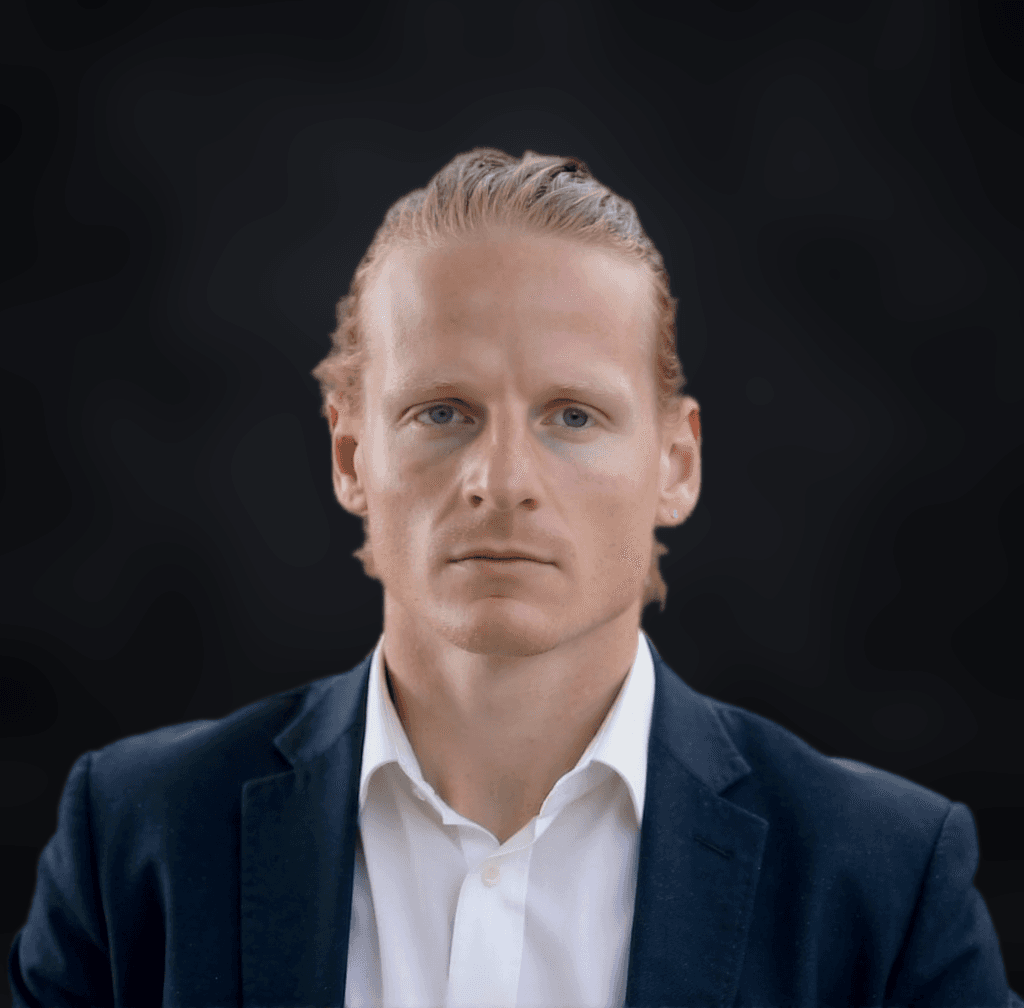
I started in operations, moved into data, then took an MBA majoring in finance to round it out. The order matters more than the qualifications do: I learned what a business actually does before I learned to model it, and how to model it before I built anything on top. Most people who end up building software arrive the other way round. It is the difference between software that fits the diagram and software that fits the business.
So I start at the process, described in plain terms. Find what is actually broken, fix that first, then build on it. Ground up rather than top down, because a system designed from the top tends to describe how the business ought to work rather than how it does.
The finance side is not decoration. It means a conversation about a system covers what it costs, what it returns and how it will be accounted for, not only what it does. And what comes out is meant to be simple to operate, which is the only test that counts once I am no longer in the room.
Tests, not promises
Systems ship with automated test suites in the hundreds. That is what makes it safe to change them a year later.
Production is the only proof
A demo proves nothing. Every system described on this site is running a real business right now.
The honest answer, including no
One of the case studies on this site is an engagement where our recommendation was not to build software at all.
Point of difference
One engineer, through the whole process. And that's the point
One engineer carries an engagement from the first conversation to production and stays with it afterwards, across data architecture, data engineering, systems design and the build itself.
That removes the layer where the cost and the loss usually sit. No account manager relaying, no handover document where the context dies, no junior learning your business on your budget. You email the person who wrote the code.
The background is finance and operational systems rather than pure software, so the conversation starts at the process. Less is lost translating what the business needs into what gets built, which is where most custom software goes wrong.
Start with a conversation.
Thirty minutes. Tell us what is not working and we will tell you whether it is worth building something, including when the answer is no.
Start a conversation